
Blog
Shipping Container Market Trends You Should Know
Nov
In the ever-changing world of global trade, logistics and shipping containers are central — and the trends shaping the container market can directly impact businesses like yours. Understanding what’s happening helps you make smarter decisions when buying, renting or customizing containers. Here’s a deep dive into the key trends in the container market in 2025 and beyond.
1. Moderate but Steady Market Growth
While the container market isn’t booming as wildly as in pandemic-peaks, it is growing steadily. For example:
One report projects the global shipping container market will be USD 17.58 billion in 2025, rising to nearly USD 27.9 billion by 2034 — a CAGR of ~4.8%. Business Research Insights+2Packaging Web Wire+2
Another forecast shows growth from about USD 8.1 billion in 2025 to USD 11.6 billion by 2035, at ~3.6% CAGR. Future Market Insights+1What it means for you: Growth is reliable, but not explosive. It’s a good market to be in, but expect moderate gains. Planning for long-term usage, modular conversion and rental/resale strategy is wise.
2. Regional Shifts & Asia-Pacific Dominance
The Asia-Pacific region is expected to lead, holding nearly 47% of the market share in 2025. Persistence Market Research+1
Growth in developing economies (India, Southeast Asia) is faster, thanks to manufacturing relocation, trade diversification and infrastructure build-out.Why it’s relevant: If you source containers, or consider selling/renting in different regions, keep an eye on emerging hubs. For instance, containers may cost more or move slower in saturated markets — a chance for value.
3. Technology & Smart Containers
Technology is making a mark:
Smart container solutions (IoT sensors, telematics, tracking) are increasingly adopted to monitor temperature, humidity, security etc. Intel Market Research+1
Digital transformation in supply chains (big data, AI for routing & asset tracking) is another major factor. container-shipping-conference.com+1For MegaShip Containers: Offering or highlighting smart-container features or compatibility can set you apart. For example, modified containers with monitoring systems will appeal to clients needing cold chain, sensitive goods or high-value inventory.
4. Customization, Specialty Uses & Conversion
Beyond standard shipping uses:
The market for specialty containers (reefer, hazardous cargo, modular build-outs) is increasing. Intel Market Research+1
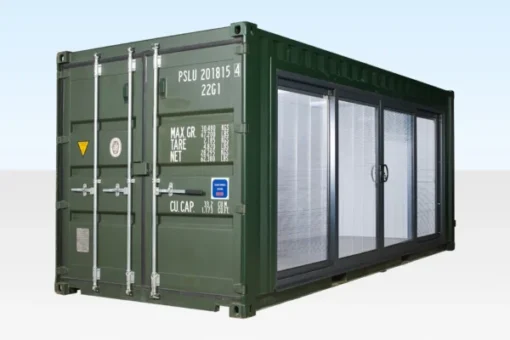
Containers are being repurposed for modular buildings, retail units, storage facilities and more. Research and MarketsOpportunity: You are wellplaced to capitalize on “modify & convert” business – offer container customization (your “Customize Your Container” service) for niche uses, which clients increasingly expect.
5. Sustainability & Materials Pressure
Environmental regulations, demand for eco-friendly materials and lighter container designs are rising. Intel Market Research+1
On the cost side: steel price fluctuations heavily influence container manufacturing cost, impacting availability and pricing. Business Research Insights+1What to keep in mind: As you source containers (for sale or rental), monitor steel/production cost trends — they might affect inventory cost and resale value. Also, advertising sustainability (e.g., recycled steel containers, low-emission transport) can enhance your brand positioning.
6. Market Challenges & Volatility
Trade tensions, tariffs and changing supply-chain routes cause uncertainty. For example, container volumes on some lanes have dropped sharply due to U.S.–China trade friction. Business Insider+2Reuters+2
Port congestion, rerouting risks (e.g., via alternate routes around the Red Sea), and capacity imbalances can raise costs or cause delays. OIA Global+1Advice: For your clients and your own business, build in flexibility: have alternative supplier options, anticipate longer lead-times on rentals/deliveries, and explain clearly to clients about potential delays or extra costs.
